Restaurant Kitchen Deep Cleaning in Florida
Florida Kitchen Pros provides restaurant deep cleaning for busy kitchens across Florida, from small family restaurants to hotel, school, and hospital kitchens that cannot afford downtime or a poor inspection.
GET A FREE QUOTE → CALL (727) 507-1735Get a Free Quote
Tell us about your kitchen and we will prepare a clear written quote, free and with no obligation.
Services First
Our Restaurant Deep Cleaning Service Covers the Whole Kitchen
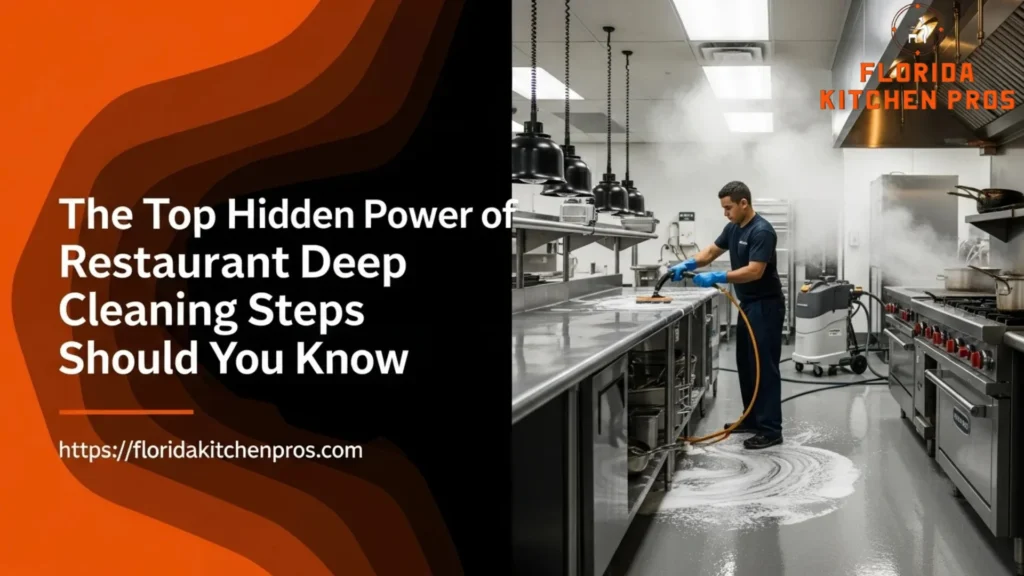
When you book our restaurant deep cleaning service, one crew works through the kitchen area by area, so the hood, the line, and the floors are not left to different companies with different standards. You can book the full reset on its own, or pair it with the wider commercial kitchen cleaning services plan for regular visits.
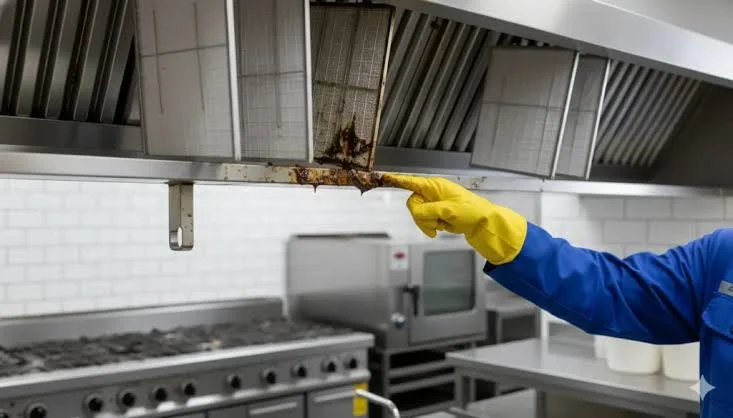
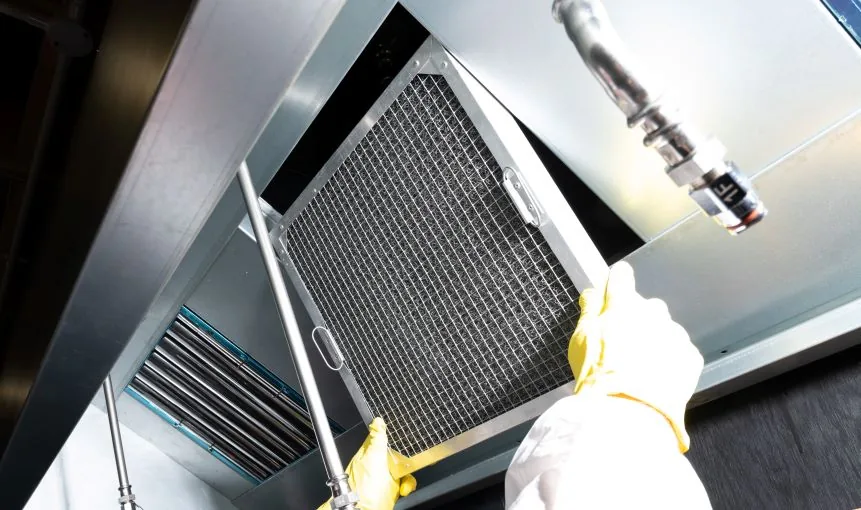
Hood and Exhaust System
Canopy, filters, duct, and fan cleared of built-up grease. Our crew follows NFPA 96 standards for this work.
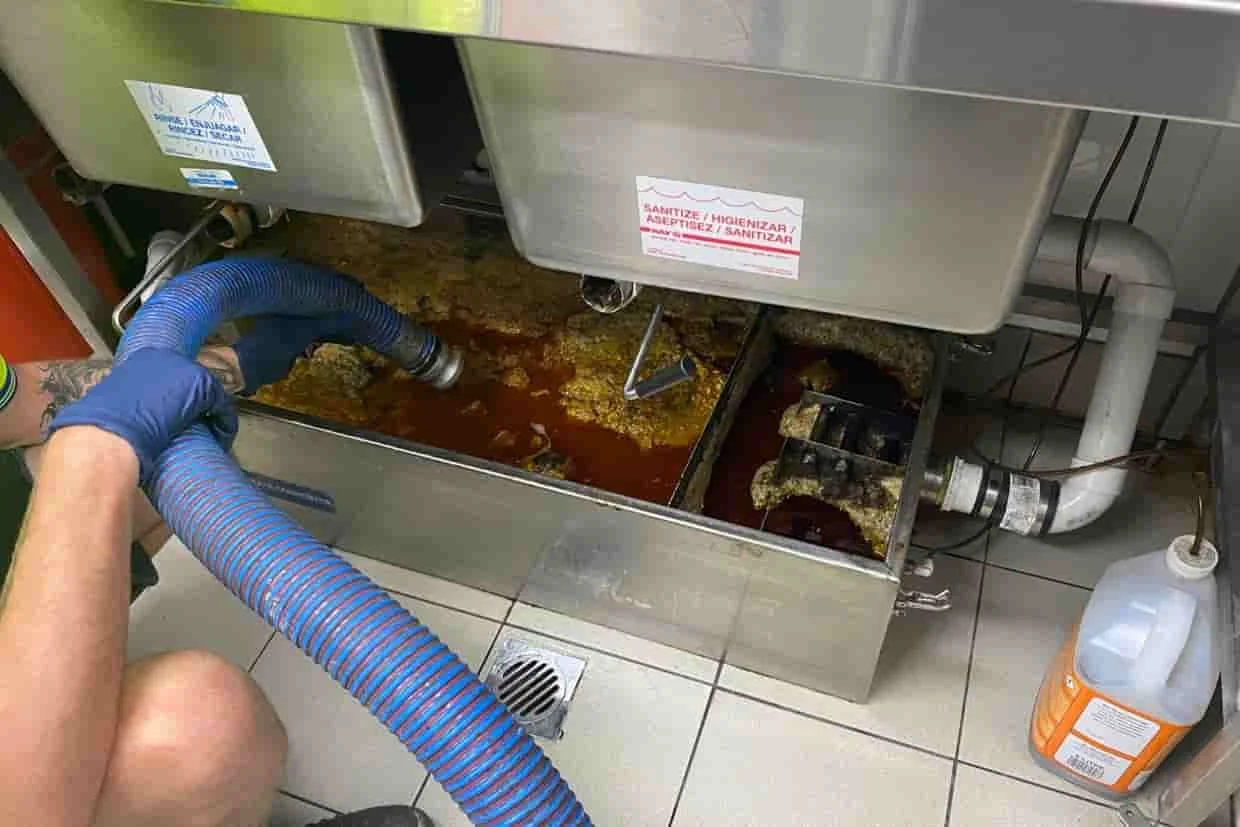
Grease Trap and Interceptor
Trap pumped, scraped, and washed through, so odors and slow drains do not return to the line.
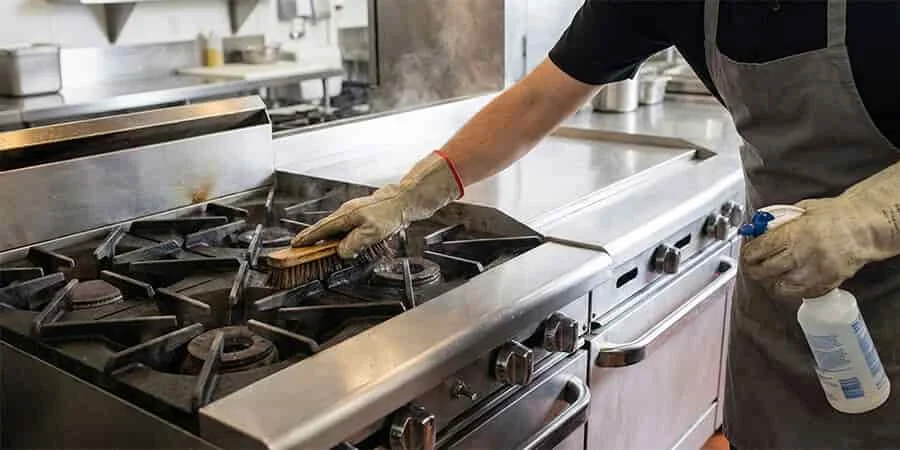
Cooking Equipment
Ovens, ranges, and charbroilers degreased inside and out, including the sides and backs staff cannot reach.
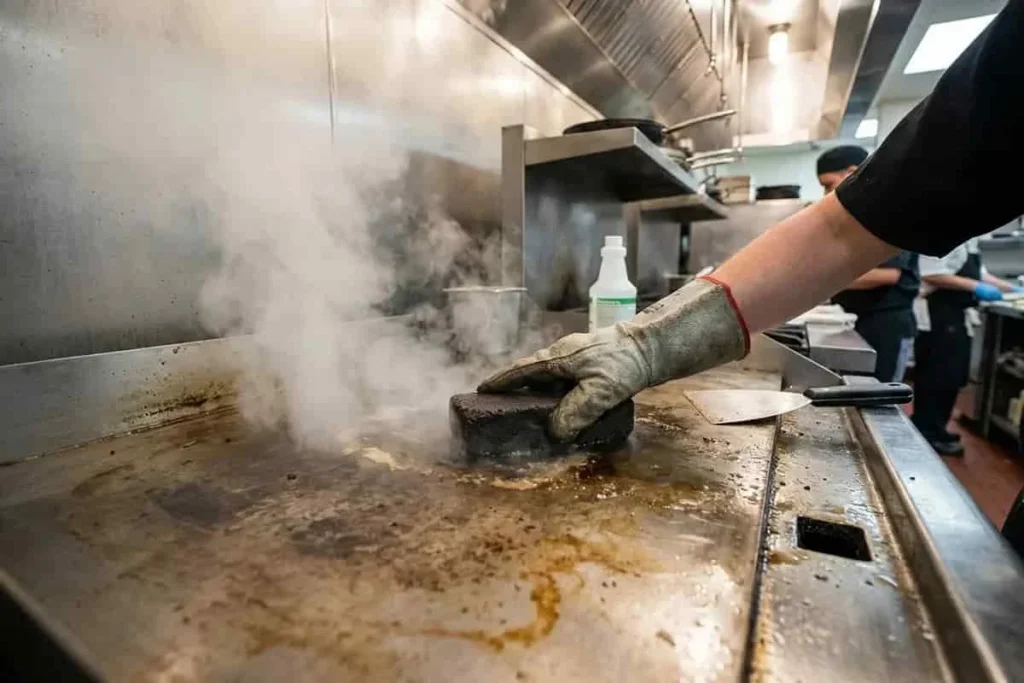
Grills, Griddles and Fryers
Carbon taken off flat tops and grates, fryer vats boiled out, and the station degreased around them.
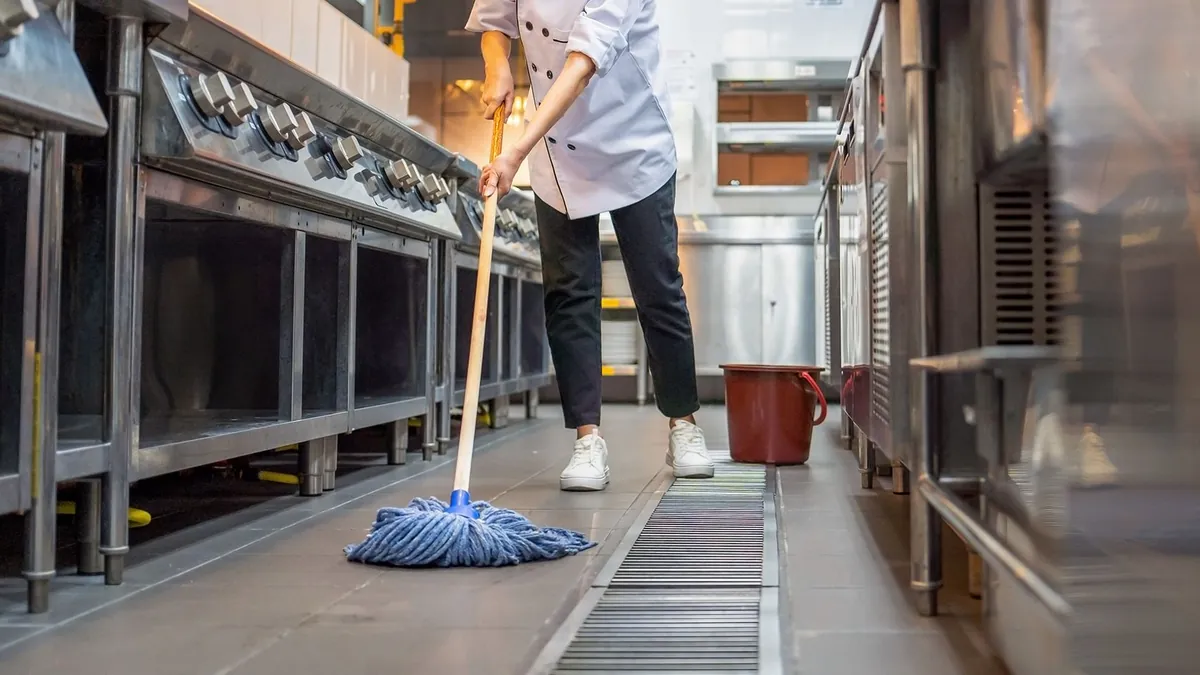
Floors and Grout
Tile and grout scrubbed and degreased, with attention to drain edges and the slick areas near fryers.
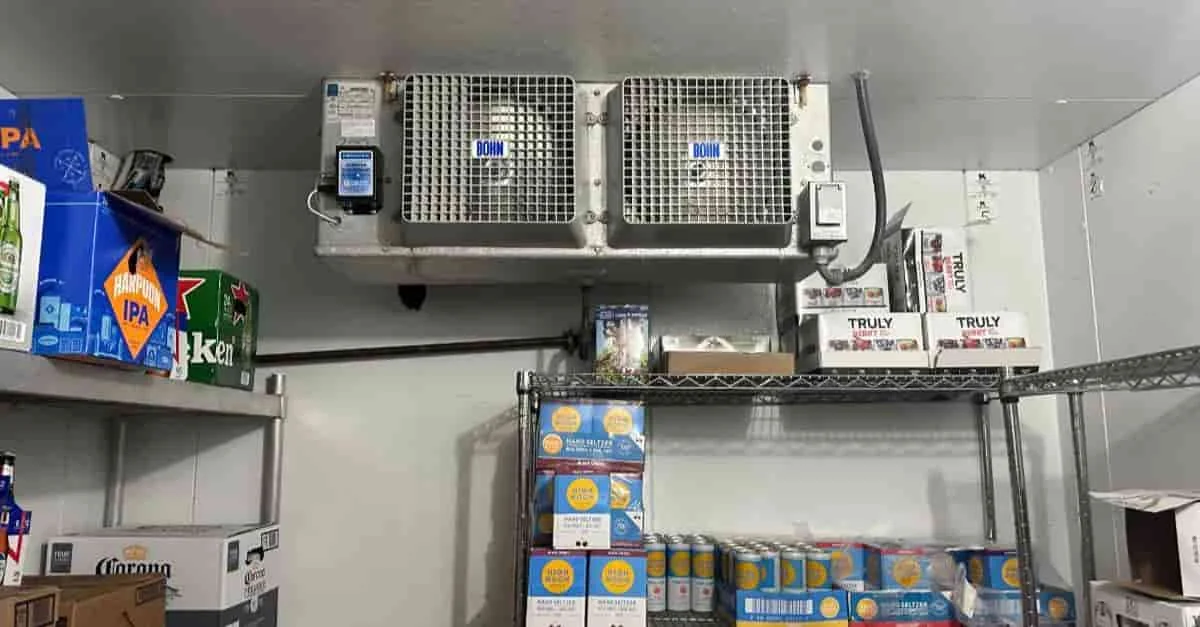
Walk-ins and Cold Storage
Shelves, walls, floors, and door gaskets cleaned throughout, so cold storage smells clean and stores food well.
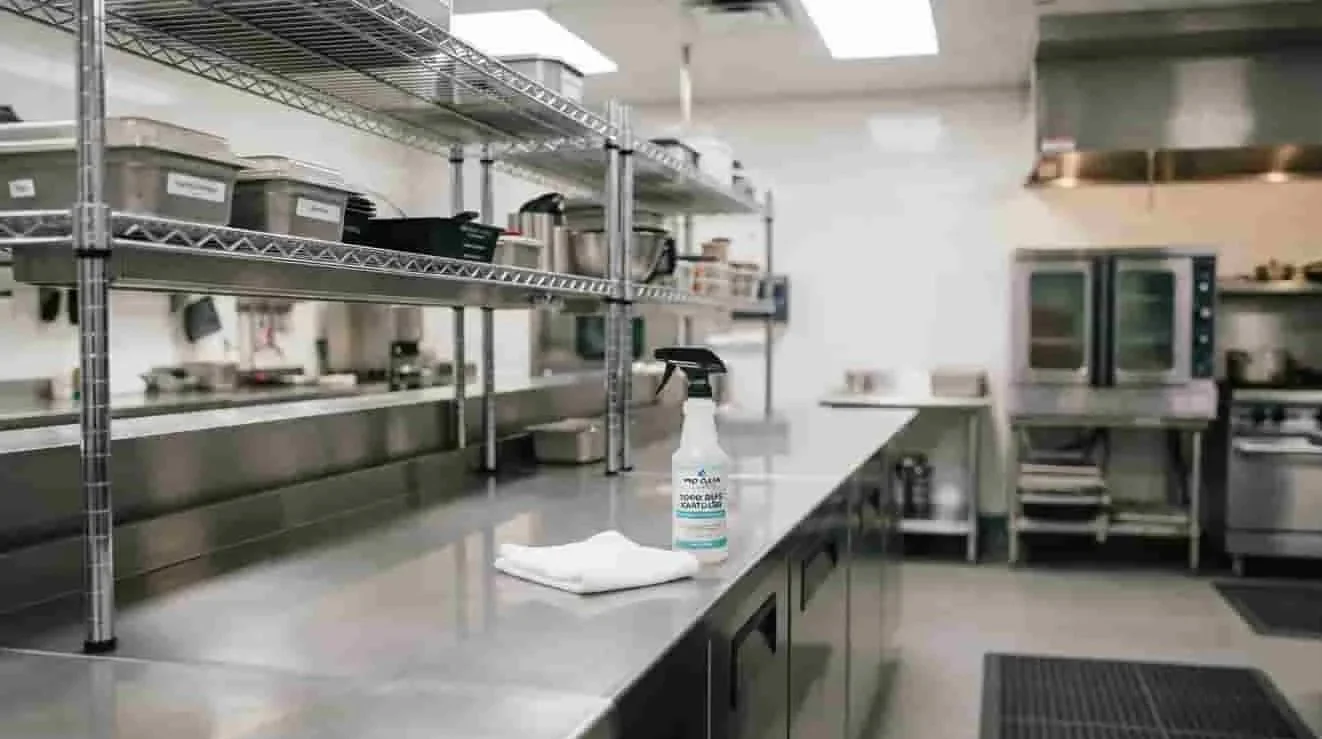
Walls and Backsplashes
Grease spatter and film washed off walls, panels, and splash areas behind the cooking line.
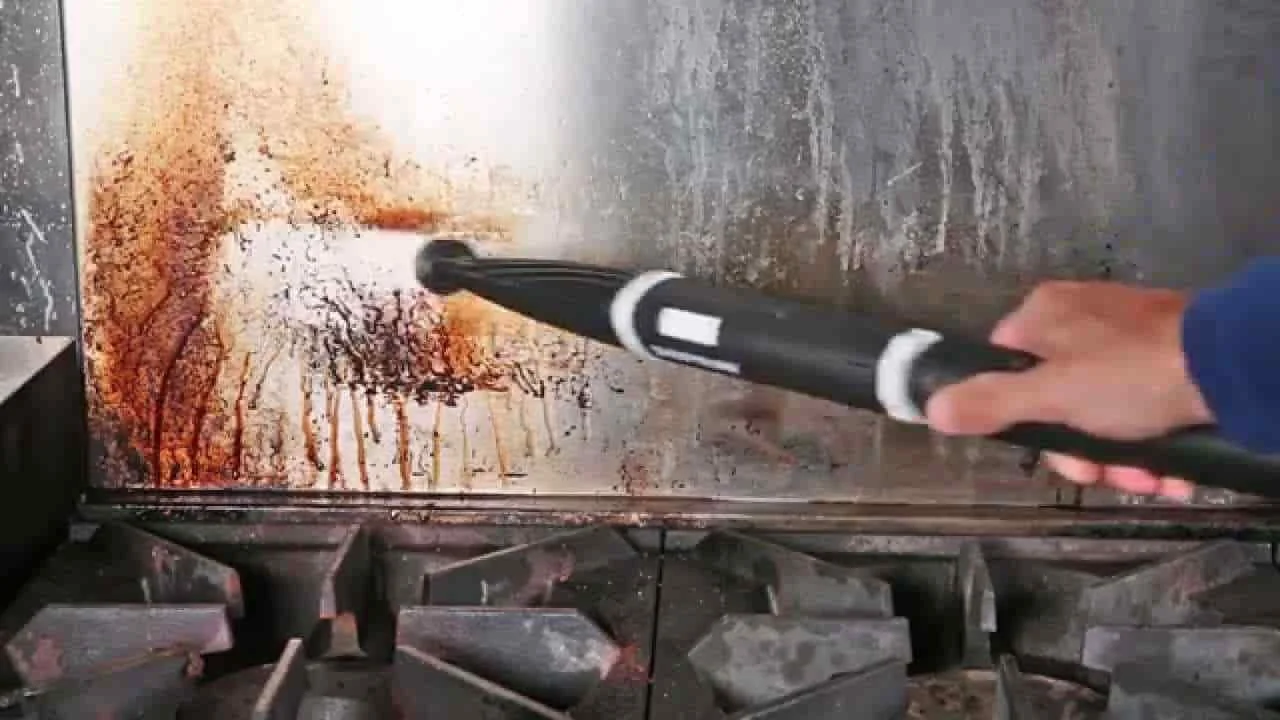
Prep, Dish and Storage Areas
Prep tables, sinks, dish pit, and dry storage brought back to a clean, orderly standard.
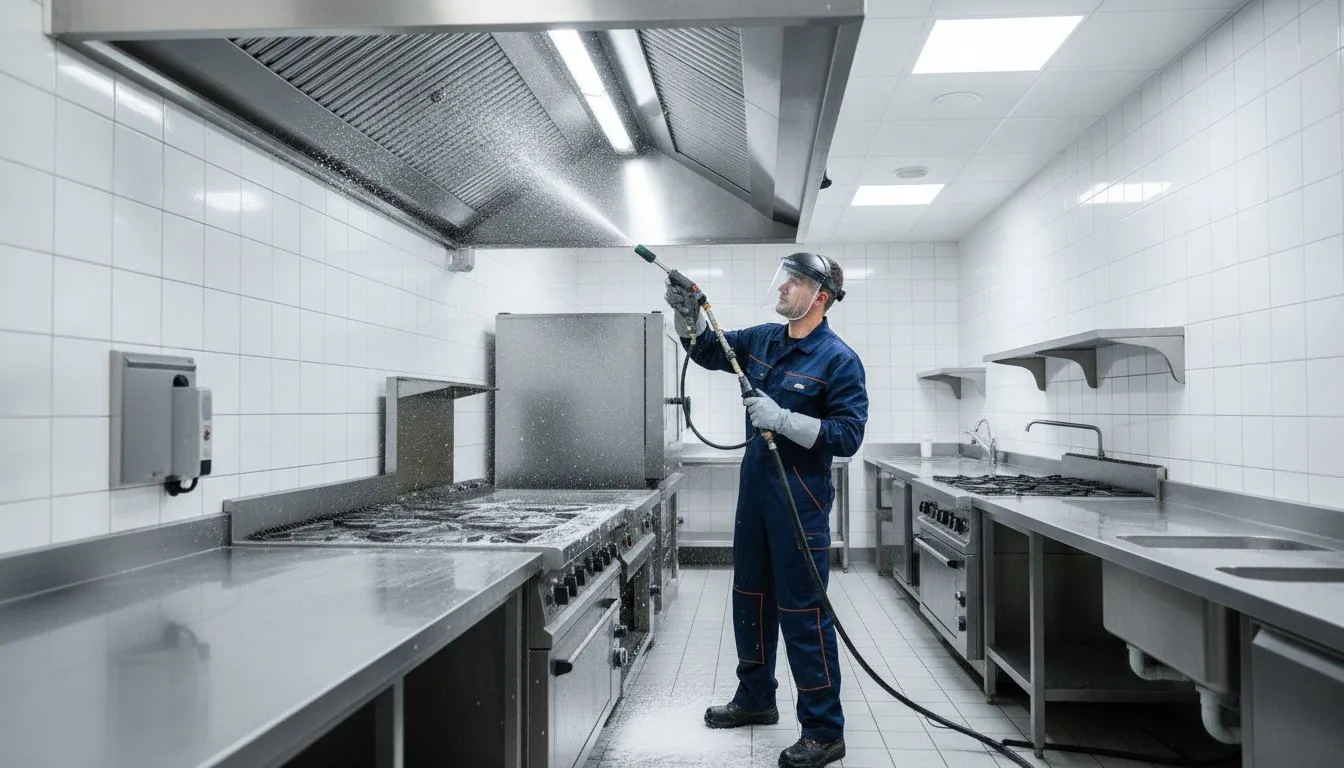
The Full Kitchen Reset
Every area above in one planned visit, for openings, takeovers, and kitchens that need a fresh start.
Beyond the Daily Wipe Down
The Places Daily Cleaning Never Reaches
Your team wipes the line every night, and that work matters. It still cannot reach the grease that collects inside the duct, behind the fryers, or under heavy equipment that rarely moves. That buildup grows quietly, week after week, and it is easy to miss until floors stay slick, drains smell, or an inspector asks for panels to be opened.
That is why restaurant deep cleaning looks at the kitchen as a whole rather than as a list of shiny surfaces. We move what can be moved safely, clean behind and beneath it, and work from the hood down to the floor drains, so the areas nobody sees get the same attention as the pass.
Owners usually call us when they notice:
- Floors that feel greasy again an hour after mopping
- Grease on top of equipment and on high ledges
- Smoke or heat hanging over the line at busy times
- Staff slipping, or working around stained grout
- An inspection coming up and too much hidden buildup
How It Runs
From Walkthrough to Final Check
Because deep cleaning for restaurants has to fit around prep, deliveries, and service, we plan the work in sections and agree the order with you first. Nothing starts until you have seen the list and the quote.
Walkthrough
We visit the kitchen, check buildup, access, and equipment, and note what needs attention most.
Clear Written Quote
You receive a quote priced area by area. Take the whole plan, or start with what is urgent.
The Clean
The crew works section by section, from the hood and equipment down to floors and drains.
Walk It Together
We walk the kitchen with you before we leave and check each area against the agreed list.
Questions before you book? Call (727) 507-1735 or send a note through our contact page.
Why Owners Book It
A Cleaner Kitchen Is Easier to Run
Less fire risk where it starts
Grease inside hoods and ducts is fuel. Clearing it out, and keeping it out, is one of the most practical steps an owner can take for kitchen safety.
Safer floors for your staff
Grease worked into grout and drain edges makes floors slippery even after mopping. A proper degrease gives your team firmer footing through a long shift.
Calmer inspections
When the hidden areas are already clean, an inspection visit feels routine rather than stressful, and your team can answer questions with confidence.
A kitchen your guests would respect
Most guests never see the back of house, but staff carry its standard into every plate. A clean kitchen supports morale, care, and pride in the work.
Good Questions
Questions Owners Ask Before Booking
What is actually included in a deep clean?
It is built from a walkthrough of your kitchen. Most visits cover the hood and exhaust, cooking equipment, grease trap, floors, walls, and cold storage. You approve the list before work begins, and we work to that list.
How often should a busy kitchen have this kind of clean?
It depends on volume and menu. A fryer-heavy line builds grease far faster than a small café. Many kitchens book a full reset two to four times a year and keep hoods and traps on a shorter cycle between visits.
How long does the work take?
A small kitchen may take a few hours, while a large room with heavy buildup can take a full shift or longer. The walkthrough gives you a clear time plan before you commit to a date.
Do we have to close while you clean?
In most cases the work is planned outside your main service hours, so the kitchen can open as normal. If an area needs to stay clear for safety, we will tell you plainly during the walkthrough.
Can the hood, equipment, and floors be done in one visit?
Yes, and that is how most owners prefer it. One visit means one setup, one crew, and one final walkthrough, instead of three separate appointments spread across different weeks.
Will a clean kitchen help with inspections?
Inspectors look closely at hoods, grease, floors, and stored food areas. A kitchen that is cleaned through, including the hidden areas, is far easier to present with confidence, and problems are simpler to spot early.
Honest Pricing
What Changes the Cost of a Deep Clean
No honest quote can be given without seeing the kitchen first. These are the factors that shape the final number:
- Size and layout: a compact café line takes less time than a large hotel or hospital kitchen
- Level of buildup: a kitchen cleaned last quarter is quicker than one carrying a year of grease
- Areas booked: one problem area, or the whole kitchen in a single visit
- Amount of equipment: every oven, fryer, and grill on the list adds careful work
- Access: ducts, roof units, and equipment that is hard to reach take longer to do properly
Your quote is broken down area by area, so you can approve the full plan or begin with the most urgent work. Call (727) 507-1735 for a number based on your kitchen, not a guess.
Free Quote
Get Your Free Kitchen Quote
Send the form or call us, and we will arrange a walkthrough at a time that suits your kitchen. We check the hood, trap, equipment, and floors, then quote what your kitchen really needs. Rather talk first? Call (727) 507-1735.
One full reset, a single problem area, or a standing schedule: the quote covers it clearly.
Book Your Kitchen Reset
If your kitchen is due for restaurant deep cleaning, call Florida Kitchen Pros today. One crew, one clear list, and a kitchen that feels properly clean again, from the hood above the line to the drains below it.
CALL (727) 507-1735 GET A FREE QUOTE →